Özgür Önal
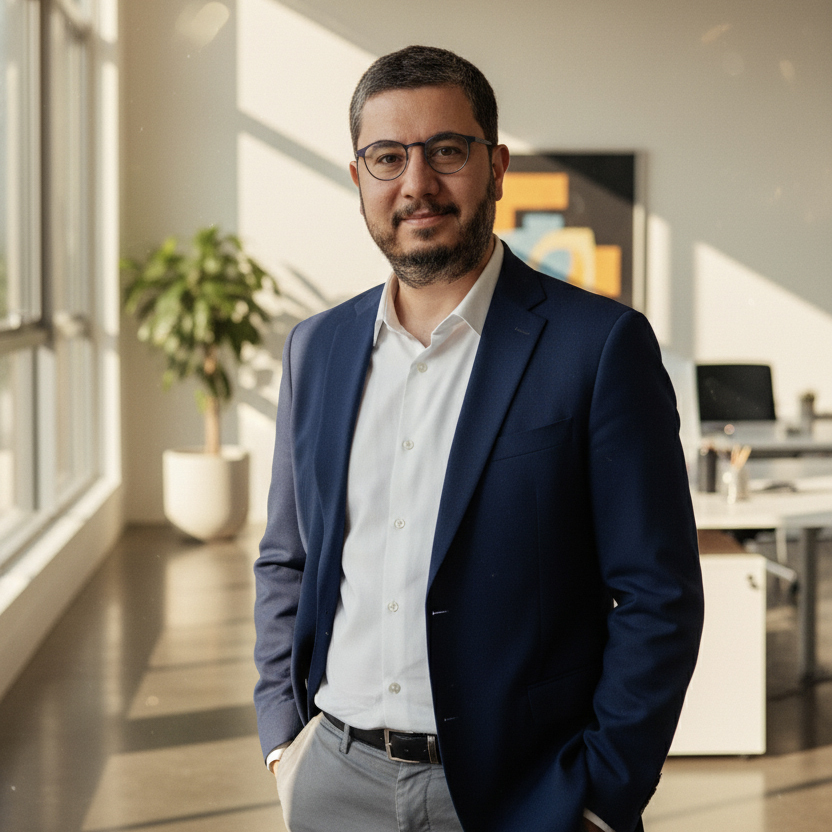
I have roots on product strategy, UX and devleopment with a decade of experience designing complex human-technology systems, grounded in a bachelor’s in computer science and a master’s in product design. I pivoted to AI governance and compliance, translating regulatory requirements into actionable product and design strategies that embed transparency, oversight, and explainability. Leveraging my expertise in data visualization, information / UI design, I am exploring the ways of contributing to AI teams to make models visually interpretable for auditors and developers and intuitively explainable for end-users, turning complex model outputs and compliance data into actionable insights.
My work sits at the intersection of UX and AI governance, exploring how design can enhance model interpretability, make intricate AI decisions comprehensible, and ensure regulatory and ethical standards are operationalized effectively. By combining systems thinking, data-driven design, and AI product development experience, I bridge the gap between policy, engineering, and user experience. I aim to enable organizations not only to meet compliance checklists but to build trustworthy, responsible AI products that are usable, understandable, and aligned with ethical and regulatory guardrails.
Recent Works
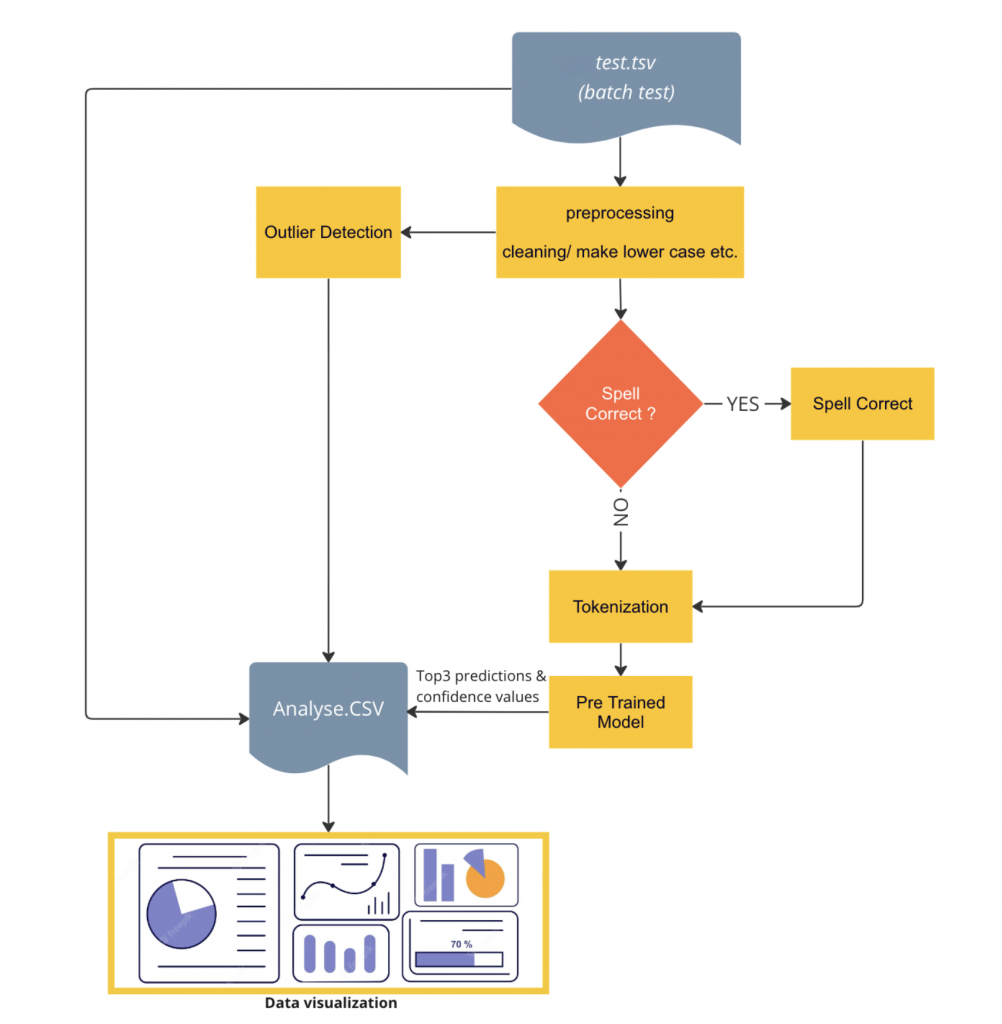
Model evaluation for Single Label Classification Tasks with Transformers Model The overall goal of the intent classification task is to develop a machine learning model that accurately identifies the intent behind natural language statements within the enteral tube feeding domain. The objective is to improve the efficiency and effectiveness of customer service interactions by automatically routing input sentences to corresponding flow’s dialogue initiator.
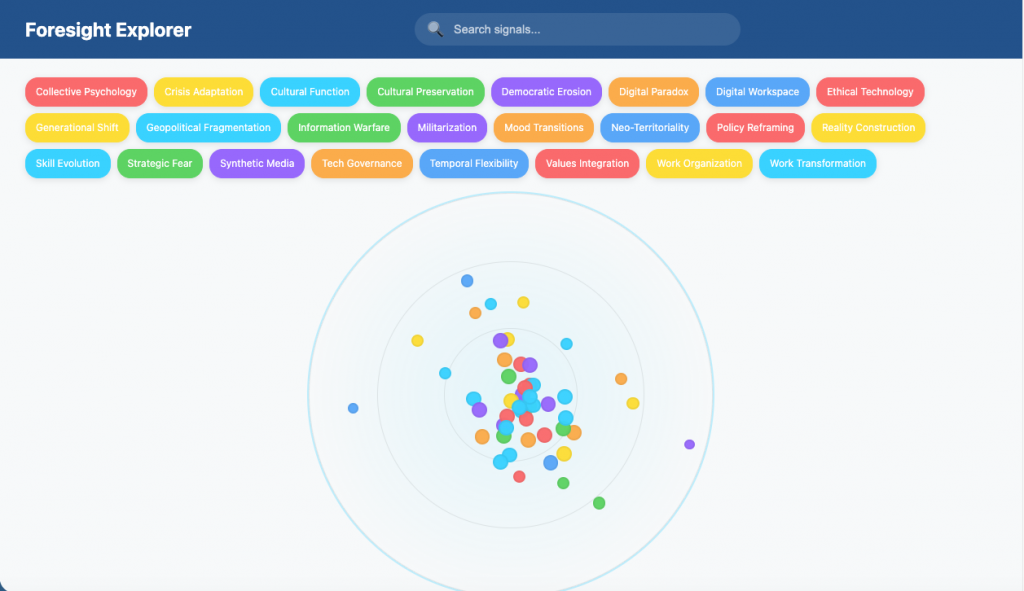
Foresight Explorer is a multidimensional framework for curating, classifying, and mapping weak signals from emerging technologies and sociopolitical shifts. It helps analysts and strategists trace how technical, cultural, and systemic changes interact—revealing early indicators before they surface as mainstream trends. The system combines structured taxonomies with dynamic filtering, turning dispersed developments into coherent strategic intelligence.
In the next phase, the focus is on validating the framework through pilot collaborations with innovation and foresight teams. Key milestones include refining the dimensional taxonomy, integrating automated signal ingestion pipelines, and testing decision-support visualizations in real-world strategy workflows. The near-term goal: evolve the MVP into a living foresight engine that continuously maps change across domains and helps organizations anticipate, not react.
I am working on a project that investigates how opaque AI systems generate real-world harms that individuals cannot contest, and connects these failures to gaps in the enforcement of the EU AI Act. By analyzing a curated database of 1,000+ AI incidents and 3,200+ entities, I will trace patterns of opacity in hiring, healthcare, and content moderation, revealing how corporate practices collide with regulatory obligations for transparency, risk management, and bias prevention. Each incident is mapped to specific articles of the EU AI Act (e.g. explainability, data governance, oversight, prohibited practices), transforming fragmented stories into a systemic compliance gap analysis. The research develops new methods of visualizing and interpreting these matches—turning harms into evidence—and proposes governance models that bridge the gap between legal requirements, technical design, and user experience.
I am also an expert evaluator and mentor for the EU-funded programs. Experienced in evaluating 20+ proposals for EU-funded programs, including Horizon Europe (HE), European Research Council (ERC), EIT, EIT Culture & Creativity. Expertise in product design, audiovisual media, cultural heritage, and gaming with a focus on innovation, education, and business creation. I have offered a qualitative and quantitative analysis along with sufficient rationale to support the scores given to each criterion.
If you’re building something ambitious and seek critical insight with warm collaboration, let’s connect.
Education:
Product Design, MDes
2006, Izmir Institute of Technology, İzmir
Computer Science Engineering, BSc
2001, Dokuz Eylül University, İzmir
University City Science Center, USA
Student Exchange Trainee IAESTE, Philadelphia
2000, In DRaW Computing Associates, Inc. I have developed 3D computer graphics software to be used in NASA’s VR trainings