Built evidence-driven 3D reconstruction systems for historically lost architecture.
Role: 3D Systems Architect · Real-Time Visualization Developer · Digital Reconstruction Engineer
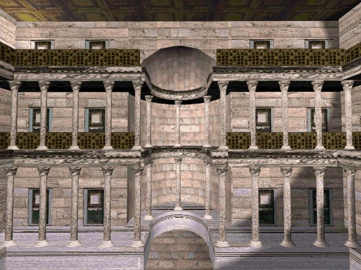
Designed and built a high-fidelity 3D reconstruction pipeline for the Celsus Library and its surrounding urban fabric in Ephesus, translating archaeological evidence into a structured, navigable digital environment.
Architected a full visualization workflow:
historical data synthesis → parametric architectural modeling → environment assembly → lighting/material reconstruction → interactive walkthrough.
Implemented evidence-driven geometry rebuilding, encoding measured ruins, fragment data, and proportional rules into the 3D model instead of speculative freeform modeling. This created historically constrained, structurally consistent outputs suitable for academic validation and public visualization.

Developed a real-time navigation system enabling interactive walkthroughs of lost architecture. Built dual pipelines for both high-resolution pre-rendered outputs and real-time web-distributed visualization using VRML, enabling remote access and real-time spatial exploration.
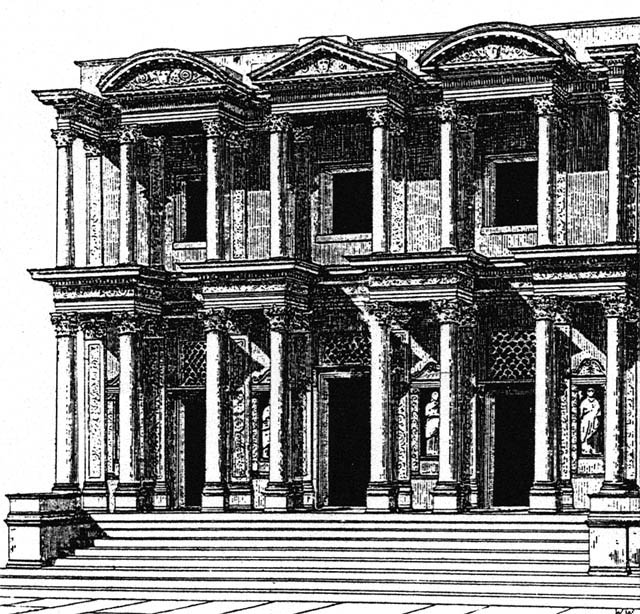
Optimized scene hierarchy, material instancing, and draw-call budgets to support fluid navigation while maintaining architectural accuracy.
Produced supplemental outputs including animated 3D sequences and interactive multimedia presentation.
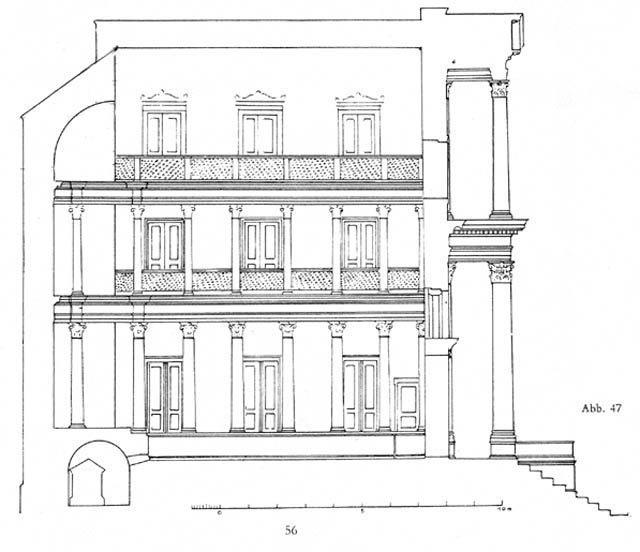
Core Capabilities Demonstrated
- Archaeology-driven 3D reconstruction pipelines
- Real-time navigation and spatial interaction systems
- Evidence-aware procedural modeling
- Dual-output pipelines: cinematic + interactive
Stack: 3ds Max, VRML, real-time walkthrough systems, animation pipelines